
Quantum meets neuroscience in the fight against MND

In a lab in Wollongong, researchers are combining neuroscience and quantum physics to tackle one of medicine’s most devastating conditions: motor neurone disease (MND) – a group of progressive neurological disorders that affects the nerve cells controlling voluntary muscle movement, leading to weakness, paralysis, and respiratory failure.

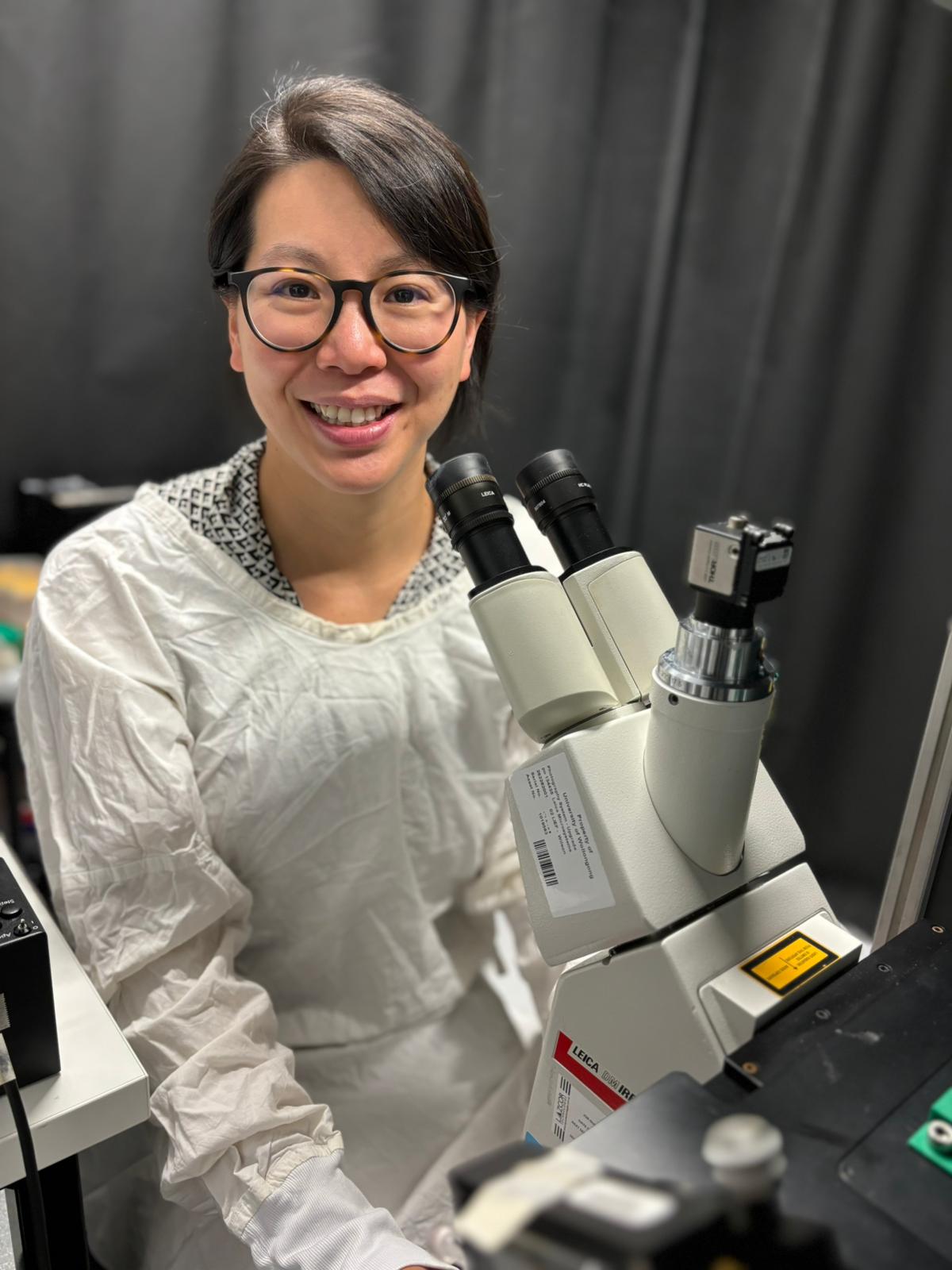
Dr Dzung Do-Ha, based in the Ooi lab, is leading the research that uses quantum diamond sensing to peer into the workings of patient-derived neuronal cultures – a kind of ‘disease-in-a-dish’ model sometimes nicknamed ‘tiny brains in a dish” – to better understand motor neurone disease (MND). A neuroscientist by training, she’s now working at the cutting edge of quantum biotechnology.

Dzung’s background is in biology and neuroscience, but her current work sits at the intersection of life sciences and quantum technologies. Through QUBIC, she’s collaborating closely with Dr Dan McCloskey at the University of Melbourne, bringing together expertise in quantum sensing and neurobiology. This kind of cross-disciplinary research is central to QUBIC’s mission: to apply quantum tools to real-world biological problems.

Diamond voltage imaging microscopy (DVIM) is a technique that uses nitrogen-vacancy (NV) centres in lab grown diamonds to detect magnetic fields and voltage changes at extremely small scales. These sensors can pick up the faint electrical signals generated by neural activity in neuronal cultures, offering a non-invasive way to study how neurons behave and interact. This is especially valuable in MND research, where understanding early changes in neural function could lead to better diagnostics and treatments.

Using patient-derived iPSC neurons – mini ‘avatars’ of each person’s nervous system – provide a powerful model for studying disease in a controlled environment. By combining them with quantum sensors, Dzung’s team can observe neural dynamics with a level of detail that traditional methods can’t. This approach could help detect early changes in neural activity before symptoms appear, identify biomarkers for diagnosis and monitoring, and provide a platform for testing potential therapies, all without needing to access human brain tissue.

This research is unfolding during the International Year of Quantum Science and Technology 2025, a global initiative highlighting the growing impact of quantum technologies. Dzung’s work shows how quantum sensing is moving beyond physics labs and into applications that could transform healthcare. It’s a solid example of how quantum tools can help answer biological questions that were previously out of reach.

With QUBIC’s support and the collaboration between the Ooi and Simpson labs, Dzung’s research is part of a broader movement to bring quantum technologies into the life sciences. QUBIC hosted the first International Conference on Quantum Technologies in the Life Sciences in November in Wollongong, showcasing how interdisciplinary science can drive innovation.

Dr Dzung Do-Ha is helping to build a future where quantum tools are part of everyday biomedical research. Her work on MND is not only advancing our understanding of the disease but also showing what’s possible when neuroscience and quantum physics come together to solve real-world problems.

In 2025, Dzung was recognised as an emerging leader in quantum biotechnology, being awarded the QUBIC Rising Star Award for advancing QUBIC’s vision by bridging quantum sensing with neurodegenerative research.
QUBIC Chief Investigator Dr Elizabeth Hinde Recognised for Research Leadership and Excellence

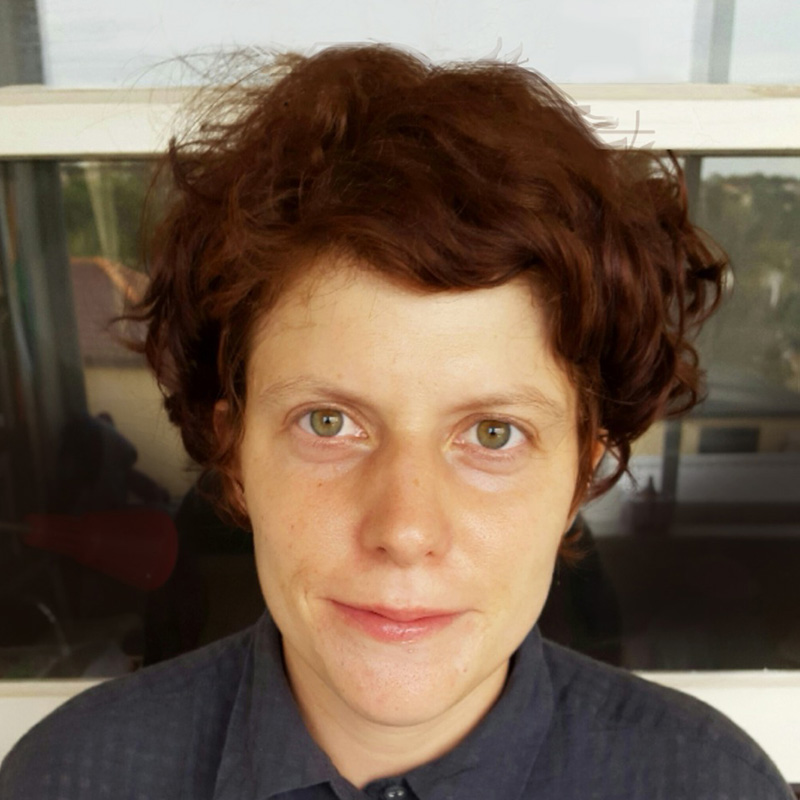
QUBIC is proud to celebrate two significant achievements by Chief Investigator Dr Elizabeth Hinde from the University of Melbourne – recognition that highlights her leadership in biophysics and her role in shaping Australia’s research future.

International Recognition in Biophysics
Elizabeth has been honoured by the Biophysical Society with the Michael and Kate Bárány Award for her exceptional contributions to understanding genome function through advanced imaging. Her research explores how the architecture of the cell nucleus influences gene expression, replication, and repair. By combining fluorescence microscopy, spectroscopy, and live-cell imaging, Liz reveals how chromatin, the 3D structure that packages our DNA, rearranges in real time.

Her pioneering imaging methods not only advance biophysics but also lay the foundation for quantum-enhanced bioimaging, an area central to QUBIC’s mission to transform life sciences with quantum technologies.

Appointment to ARC College of Experts
Elizabeth has also been appointed to the Australian Research Council’s College of Experts, a prestigious role that plays a critical part in identifying research excellence and shaping national priorities to advance knowledge and drive innovation.

Her appointment ensures that interdisciplinary research, including quantum-enabled biotechnology, has a strong voice in Australia’s research future. It reflects Liz’s standing as an expert of international reputation and reinforces QUBIC’s leadership in bridging physics, biology, and quantum technologies.

Liz’s achievements demonstrate the power of interdisciplinary science and its role in shaping the future of health and life sciences. Congratulations, Liz, on these outstanding achievements!

Quantum Breakthrough Could Transform Heart Disease Diagnosis in Australia

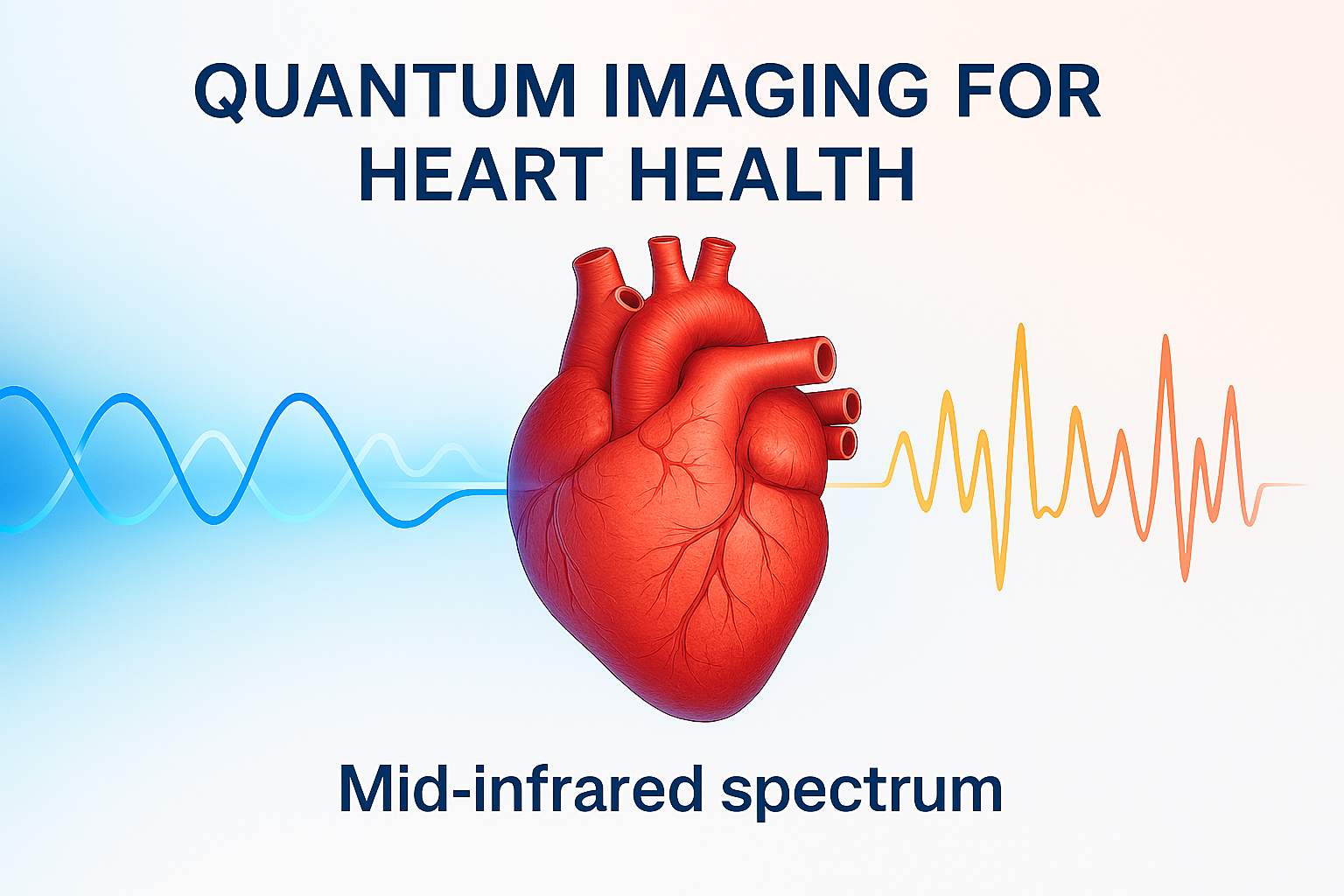
Heart disease remains the leading cause of death worldwide, and early, accurate diagnosis is critical to saving lives. Researchers at the ARC Centre of Excellence in Quantum Biotechnology (QUBIC) have taken a major step toward that goal by developing a quantum mid-infrared imaging approach that shows promise for distinguishing healthy from diseased heart tissue at the molecular level. This achievement, delivered through the Australian Government’s $36 million Critical Technology Challenge Program (CTCP), moves the technology closer to real-world use and positions Australia at the forefront of quantum-enabled health innovation.

The project demonstrates how quantum technologies can provide precise, non-invasive insights into heart health, paving the way for faster and more accurate diagnosis. It also marks progress toward prototype development, advancing beyond laboratory validation.

“By showing that quantum mid-infrared imaging can identify disease signatures in heart tissue, we’ve opened a pathway to practical diagnostic tools that could transform cardiovascular care,” says Professor Irina Kabakova, project lead at the University of Technology Sydney.

How the Technology Works
Infrared light can reveal the unique “fingerprints” of molecules because proteins, lipids, and other biomolecules absorb light at specific wavelengths. The mid-infrared range is particularly powerful for detecting these vibrational signatures, which change when tissue becomes diseased. QUBIC’s approach uses quantum-generated entangled photons to probe samples with high sensitivity and without dyes or labels. This enables label-free imaging and spectroscopy that can detect subtle molecular changes in tissue, such as those linked to heart disease, potentially allowing earlier and more accurate diagnosis.

The work is led by a cross-disciplinary team at UTS, including Professor Irina Kabakova, an expert in optical biomedical systems; Professor Alexander Solntsev, a leader in quantum optics and photonics; A/Prof Lana McClements, an expert in cardiovascular health, and Dr Isa Ahmadalidokht, who specialises in quantum spectroscopy and microscopy for diagnostics. Their combined expertise is enabling the transition from fundamental research toward applied health technology.

About the Critical Technology Challenge Program
The Critical Technology Challenge Program is a $36 million initiative under Australia’s National Quantum Strategy, designed to accelerate commercialisation of quantum technologies by moving them from early-stage readiness toward deployment and adoption. Round 1 Challenges included improving medical imaging and sensors for disease diagnosis, aligning directly with QUBIC’s heart disease spectroscopy project.

Bringing quantum to life
Quantum technologies are unlocking new frontiers in drug discovery, biomedical imaging, neuroscience and clean energy. Global investment in quantum technologies has already exceeded $55 billion, with the market projected to reach $106 billion by 2040. Life sciences are emerging as one of the most promising application areas, with quantum computing alone estimated to create $200–$500 billion in value by 2035, particularly through breakthroughs in drug discovery, diagnostics, and molecular simulation.

About QUBIC
The ARC Centre of Excellence in Quantum Biotechnology (QUBIC) is the world’s first national centre at the intersection of quantum science and biotechnology. QUBIC is developing next-generation quantum tools – including brain imagers and single-protein sensors – to tackle major challenges in health, biosecurity, energy, and agriculture. QUBIC’s research institutions include the University of Technology Sydney, University of Wollongong, The University of Queensland, the University of Melbourne, and Flinders University, and partners with leading industry, government, and international institutions.

Celebrating Excellence: QUBIC’s Inaugural Annual Awards

Congratulations to everyone who was nominated and to the winners of QUBIC’s inaugural awards! At the QUBIC Annual Symposium, we were proud to honour the incredible people and teams whose work has shaped our Centre in 2025.

These awards recognise excellence across research, collaboration, engagement, and leadership because QUBIC’s success is built on the passion and commitment of its people. From groundbreaking science to inspiring outreach, these achievements reflect the spirit of innovation and collaboration that drives our mission to bring quantum to life.

Our 2025 Award Winners

🌟 Scientific Achievement – Brain Theme
Dr Dzung Do-Ha and Dr Dan McCloskey
For establishing and using a diamond voltage imaging microscope (DVIM) system, to image the electrical activity of neurons as well as characterise subcellular structures relevant to neurodegenerative diseases including MND. Their collaborative work has enabled the first single-shot, label free images of neuronal activity – a major step forward for QUBIC’s Brain Theme.

🌟 Scientific Achievement – Molecule Theme
Dr Martin Stroet
For developing and maintaining the Automated Topology Builder (ATB), a global resource used by thousands of researchers and paving the way for quantum approaches in molecular modeling and drug discovery.

🌟 Scientific Achievement – Cell Theme
Dr Nicolas Mauranyapin
For developing a quantum-limited microscope that images living cell activity, opening new possibilities for drug development, cancer diagnostics, and antibiotic resistance testing.

🌟 Ambassador Award
Dr Pavlina Naydenova
For raising QUBIC’s profile through exceptional leadership in outreach and engagement—connecting quantum biotechnology with schools, industry, and government, and inspiring the next generation of quantum thinkers.

🌟 Rising Star Award
Dr Dzung Do-Ha
For advancing QUBIC’s vision by bridging quantum sensing with neurodegenerative research

🌟 Superstars of Outreach Award
Hunter Johnson, Shikun Ma and Dhilan Vallury
For their contribution to the 2025 National Quantum & Dark Matter Road Trip sideshow, designing new activities and delivering 20 demonstrations to over 500 students with exceptional enthusiasm and commitment to promoting science.

🌟 Advancing Equity Award
Dr Mahya Mohammadi
For advancing equity in science through mentoring under-represented students, international representation, and outreach, applying skills from the Elevating Quantum Women’s Voices program to strengthen QUBIC’s culture of inclusion.

🌟 Outstanding Collaborative Paper
Qiang Zhu, Zahra Raza, Dzung Do-Ha, Emma De Costa, Pavlina Sasheva, Luke McAlary, Hadi Mahmodi, Warwick P. Bowen, Lezanne Ooi, Irina Kabakova, Haibo Yu
For publishing a collaborative paper in Advanced Materials that unites three QUBIC nodes and all research themes: Biomolecular Condensates as Emerging Biomaterials: Functional Mechanisms and Advances in Computational and Experimental Approaches.

🌟 Outstanding Team Project
The Mentoring, Training & Development Portfolio Team
For delivering exceptional initiatives in 2025 including QUBIC’s flagship programs – Winter School, UG Summer Internship, and mentoring opportunities that strengthened QUBIC’s culture and amplified its impact.

🌟 Cross-Nodal Collaboration Award
Emma De Costa
For exceptional leadership in fostering cross-theme collaboration, driving multi-node initiatives and building strong connections across teams for their work in TDP-43

🌟 Research Translation Pioneer Award
Prof Alexander Solnstev and the CTCP Project Team
For advancing QUBIC’s work in next-generation quantum spectroscopy diagnostic platforms for heart disease

🌟 Mentor Award
Prof Allison Fish
For creating a truly participatory, inclusive and supportive environment for QUBIC members, where individuals feel heard and valued.

🌟 Director’s Award
Prof Lezanne Ooi
For exceptional leadership as QUBIC’s Brain Theme Lead, driving collaboration and innovation across nodes, integrating quantum science with biomedical applications, and strengthening QUBIC’s culture through mentorship and inclusion.

Why these awards matter
The QUBIC Awards celebrate more than achievements, they recognise the people who make our mission possible. Every winner and nominee has contributed to advancing quantum biotechnology, building collaborations, and shaping conversations that will define the future of science and technology.

Thank you to everyone who contributed to QUBIC’s success in 2025. We can’t wait to see what we achieve together in the year ahead!

Top image: QUBIC’s Mentoring, Training & Development Portfolio Team accepting the award for Outstanding Team Project