Unlocking the Hidden Brain with Quantum Technology: A New Era of Brain Measurement

When Curiosity Meets Brain Science
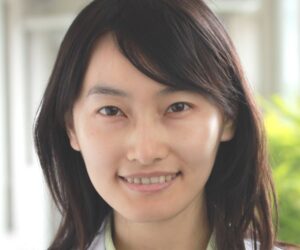
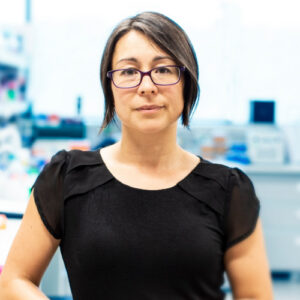
Dr Sophie Lin
Dr Sophie Lin

When Sophie Lin talks about the brain, her tone is equal parts wonder and humility. “The more you study the brain, the less you feel like you really understand it,” she says – a line that neatly captures both her scientific motivation and her career path. Trained originally as a neurologist, she encountered a gap between what brain images indicated and what patients with epilepsy, stroke, and degenerative diseases experienced. The brain imaging story didn’t quite add up. So she crossed the bridge into academia, determined to ask deeper questions about how the brain actually works.

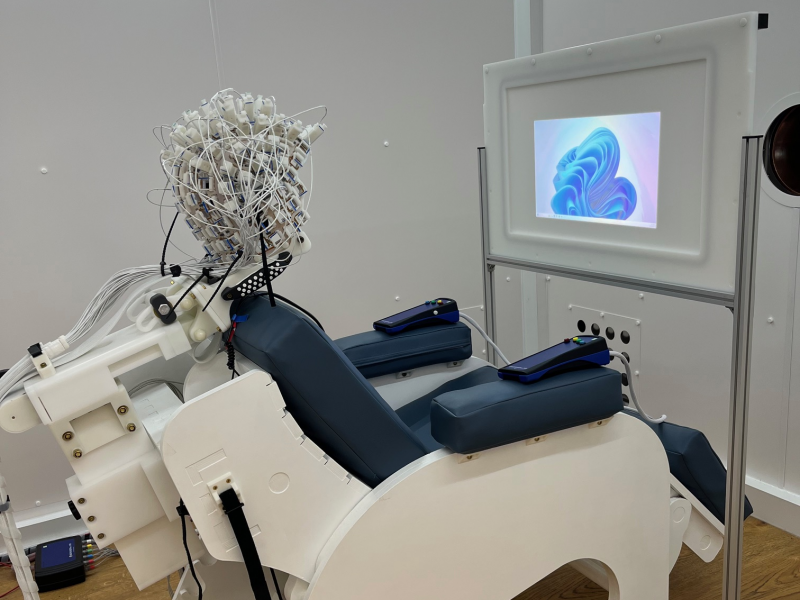
Today, Sophie manages the optically pumped magnetoencephalography (OP-MEG) facility at the University of Melbourne – Australia’s first whole-head, wearable imaging system of its kind – and is part of a broader effort to use quantum sensing technologies to image biological systems in new and more precise ways. Her focus is a part of the brain that has long been overlooked: the cerebellum.

The Hidden Brain
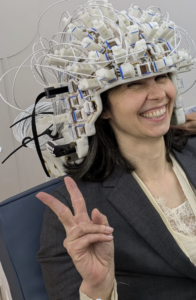
Sophie’s colleague QUBIC CI Prof Marta Garrido

The cerebellum sits at the bottom of the brain – tucked away, hard to reach, and even harder to measure. The magnetic signals the brain emits are billions of times weaker than the Earth’s magnetic field – it’s like trying to hear a whisper in the middle of a stadium concert. For a long time, the cerebellum was thought of as a supporting actor, mainly associated with movement and coordination. Increasingly, patient data and neuroscience studies suggest it plays a much more important role, including in language, learning, and higher-order cognition. But to understand what it really does, researchers first need a reliable way to observe it in action.

For most of modern neuroscience, that has been the hard part. Traditional MEG systems rely on sensors that must be cooled to extremely low temperatures and housed in large, rigid, shielded rooms. The hardware sits several centimetres away from the scalp, which limits sensitivity – especially for deeper brain structures like the cerebellum.

The result has been a neuroscience blind spot. In clinical practice, Sophie saw the consequences of that gap firsthand: patients whose symptoms could not be cleanly explained by what standard imaging showed. As she puts it, structure alone does not always tell you how the brain is functioning in real time.

For years, the implicit conclusion was simple: measuring cerebellar activity non-invasively is too difficult to do well. That assumption is now being challenged by a new class of quantum sensors – and that could lead to a better understanding of neurodegenerative diseases, stroke recovery, and epilepsy.

Enter Quantum Sensors
The MBCIU OPM-MEG system provides researchers access to an unparalleled suite of imaging technology for structural and functional brain research

OP-MEG uses optically pumped magnetometers – quantum sensors that operate at room temperature. Instead of being locked into a fixed helmet inside a bulky cryogenic system the size of a refrigerator, these sensors can be placed directly on the head, in a lightweight, wearable array. For researchers like Sophie, that significantly improves what is possible in neuroscience imaging.

This proximity matters. By bringing the sensors much closer to the scalp, OP-MEG can capture brain signals that are two to three times stronger than those measured by conventional systems. The sensors are mounted in a wearable helmet that can be customised from an individual’s MRI scan, allowing researchers to position sensors closer to regions of interest such as the cerebellum. This personalised design also makes scanning more accessible – enabling studies with children or elderly participants who may struggle to remain completely still.

In Sophie’s work, this quantum sensing platform is doing something radical: it is giving the cerebellum “another chance” to be studied properly. This is not about a single disease or a single experiment. It is about building a new measurement capability – a platform technology that lets researchers observe parts of the brain that have been, until now, largely hidden.

This is quantum technology in action: not just a laboratory curiosity, but a tool that changes what can be measured, who can be measured, and what questions can be asked – building on decades of animal research to show that wearable quantum sensors can now detect cerebellar activity in humans.

From Discovery to Helping People Speak Again

The implications of this new window on the brain are wide-ranging. Better access to cerebellar signals could deepen understanding of conditions such as stroke, alcohol-related brain damage, neurodegenerative disorders, and psychiatric disorders. It could reshape how scientists think about sleep, learning, and even consciousness. Increasingly, evidence suggests the cerebellum is involved in far more than movement – but without the right tools, those hypotheses have been difficult to test.

One of Sophie’s current directions is exploring how the cerebellum contributes to language and speech production. If researchers can identify reliable neural markers linked to how the brain produces language, those signals could one day be used to build more advanced, brain-informed speech assistance technologies for people who struggle to speak because of neurological conditions.

By turning the cerebellum from a blind spot into a field of discovery, OP-MEG is expanding what brain science can do, and showing how Australia’s quantum capability can translate into tools that change how we explore the most complex system we know: the human brain.

visit the Cognitive Neuroscience and Computational Psychiatry Laboratory

visit the Melbourne Brain Centre Imaging Unit (MBCIU)

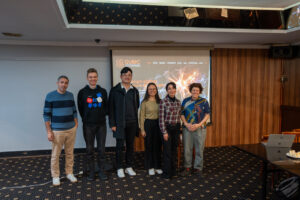
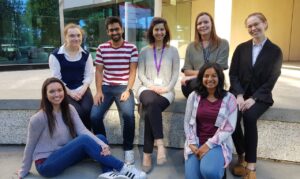
Team photo: Cognitive Neuroscience and Computational Psychiatry Laboratory
The Cognitive Neuroscience and Computational Psychiatry Laboratory team at University of Melbourne
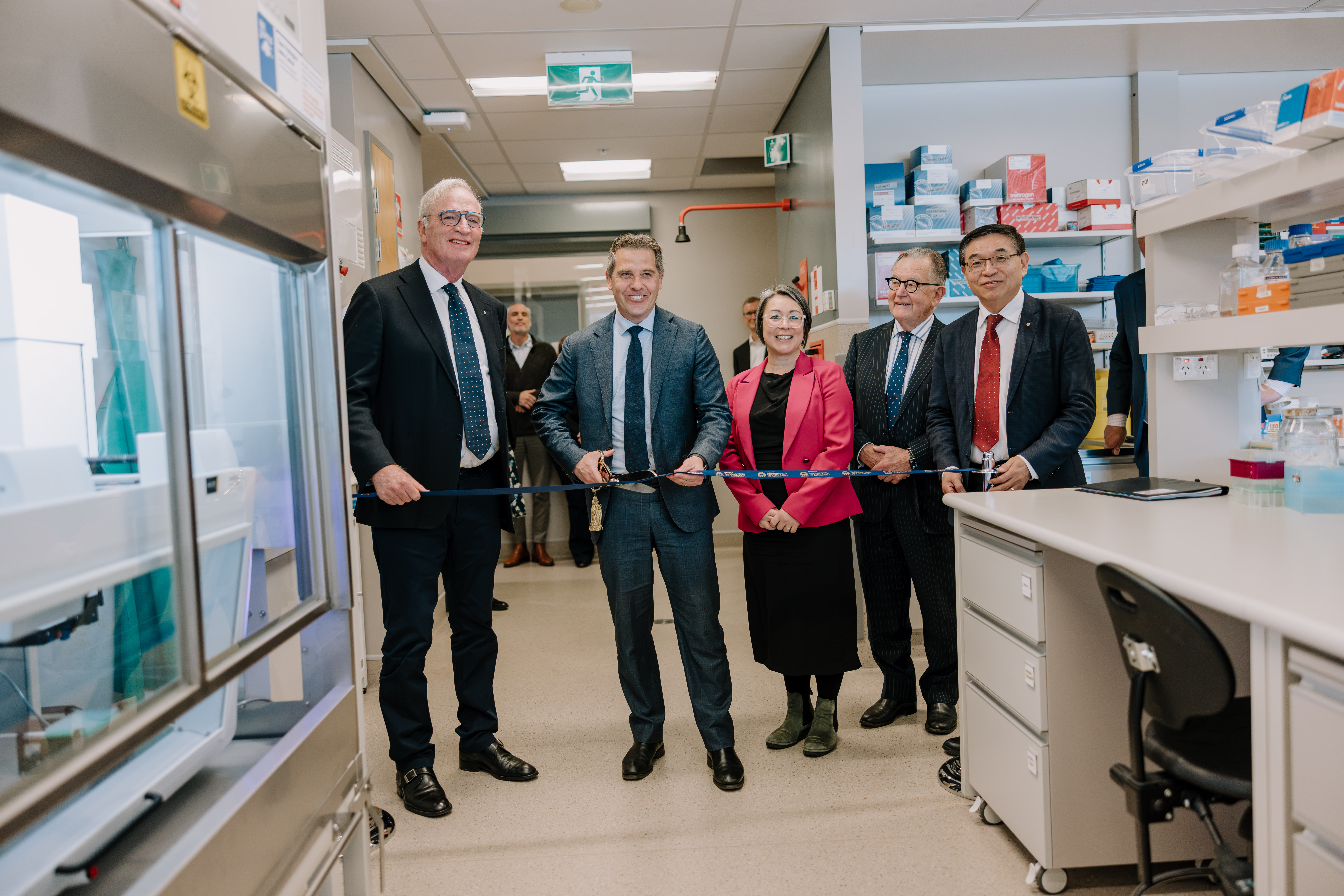
Launch OPM-MEG facility
Launch of the Optically Pumped Magnetometer MEG (OPM-MEG) facility in March 2026

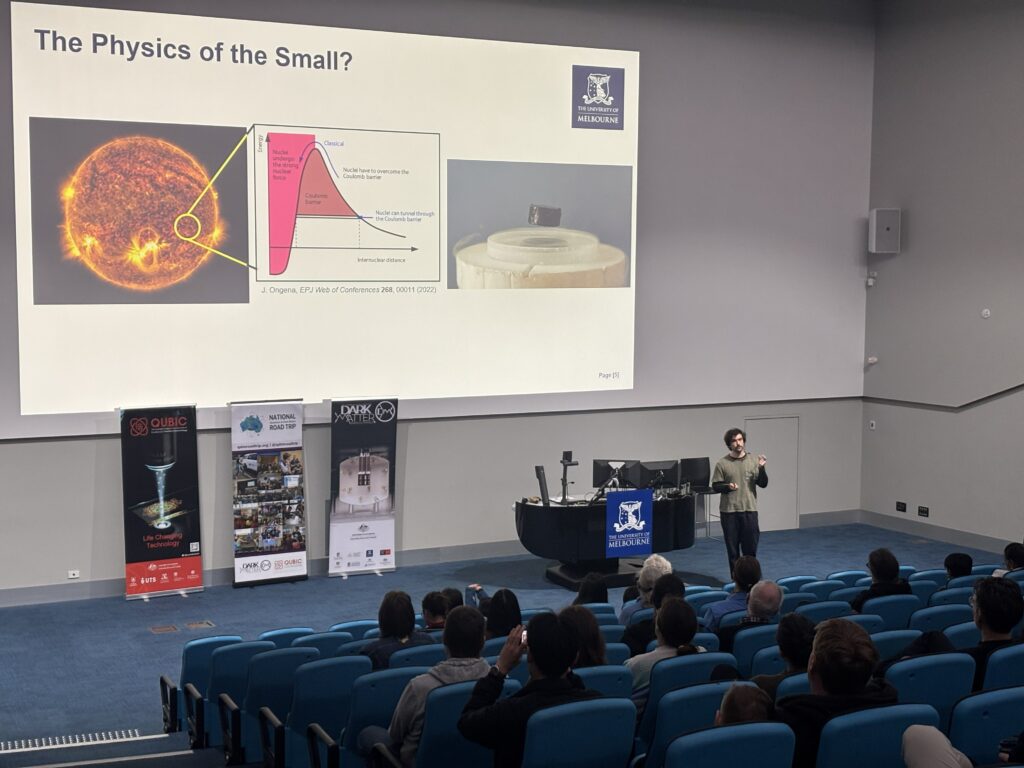
Bridging Quantum and the Classroom at ConASTA 2026

Quantum technologies are rapidly moving from the lab into the real world, helping tackle challenges across the life sciences. Researchers are developing new ways to detect disease, image biological systems and understand the building blocks of life by bringing together physicists, biologists, neuroscientists, chemists and engineers to solve problems that no single discipline can address alone.

Yet for most young people, their first introduction to quantum won’t come from a scientist. It will come from a teacher. So how do we turn complex, cutting-edge research into something that sparks curiosity, feels relevant, and helps students imagine themselves as part of the future?

That question sat at the heart of QUBIC’s involvement at ConASTA 2026, Australia’s largest science education conference, where we connected with educators from across the country who are finding new ways to bring contemporary science into the classroom.

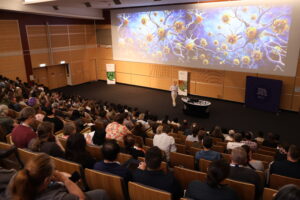
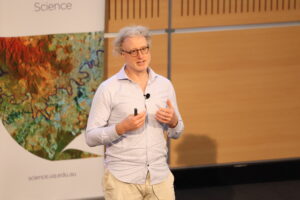
Throughout the week, we explored how quantum science can be connected to topics students already care about. In his keynote, Bringing Quantum to Life, QUBIC Director Professor Warwick Bowen demonstrated how quantum technologies are moving beyond theory and into real-world applications, from understanding disease to developing new tools for healthcare and biology. One example that resonated strongly with attendees was the potential for quantum technologies to support earlier detection of conditions such as sepsis, highlighting how advances in physics may one day help improve outcomes for patients and families.

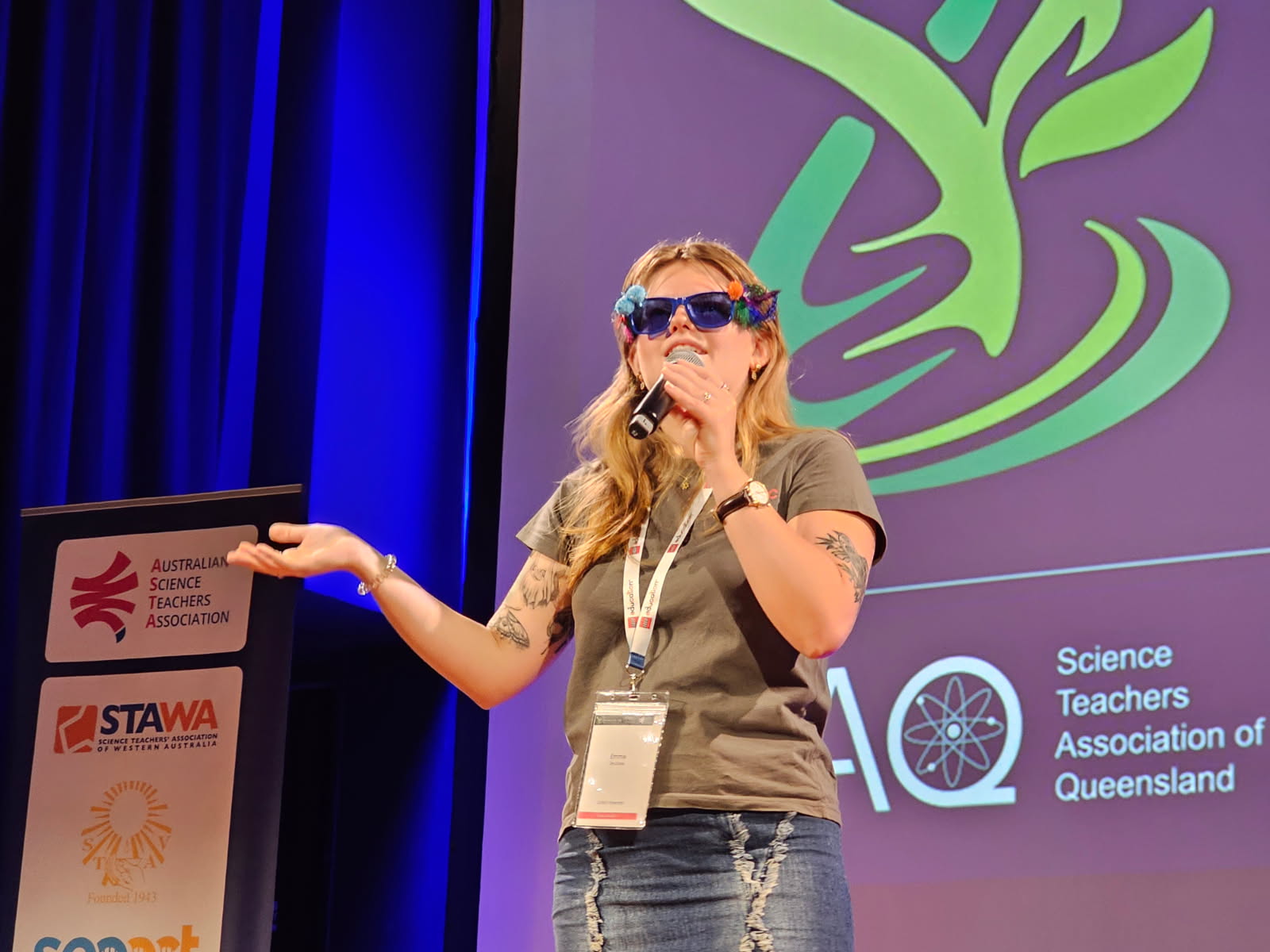
University of Wollongong PhD student Emma De Costa approached the challenge from a different angle. Through Seeing Quantum: Mystery Migration, she presented the theory around the remarkable navigation abilities of the European robin to introduce educators to the emerging field of quantum biology. By combining storytelling with a classroom-ready activity, the session demonstrated how concepts such as electron spin, light interactions and magnetoreception can be transformed into fun and engaging learning experiences for students.

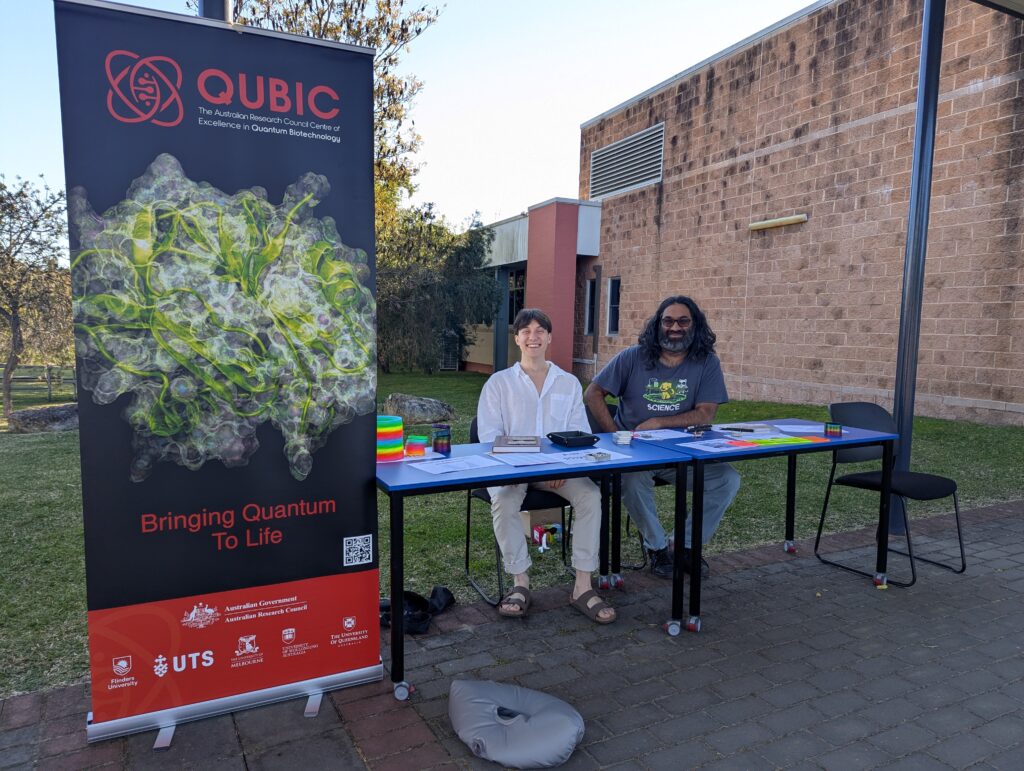
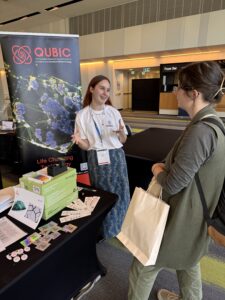
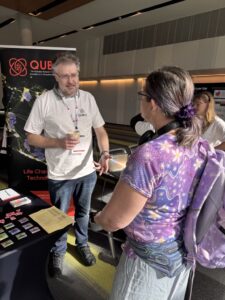
Beyond the presentations, rewarding conversations took place at the QUBIC exhibition booth. Teachers shared their enthusiasm for bringing emerging science into the classroom, while also discussing the challenge of making complex ideas accessible and relevant for students.

ConASTA was an opportunity to listen, learn and build relationships with educators who introduce many young Australians to science’s newest ideas. By supporting teacher participation, sharing classroom-ready resources and creating opportunities for researchers and educators to connect, we’re bringing quantum science out of the lab and into conversations that spark curiosity, encourage questions and help students see themselves in the future of science.

If you’re interested in connecting with QUBIC to explore ways to bring quantum science into the classroom, we’d love to continue the conversation.

QUBIC would like to thank everyone who contributed to our involvement in ConASTA 2026, including Professor Warwick Bowen, Emma De Costa, Mark Watson, Alex Stilgoe, Eleanor Trimby, Galya Haim, David Simpson and Kath Pearson, who helped plan and deliver our activities and engaged with educators from across Australia throughout the week. We also thank the many teachers who shared their ideas, experiences and enthusiasm for bringing quantum science into the classroom.

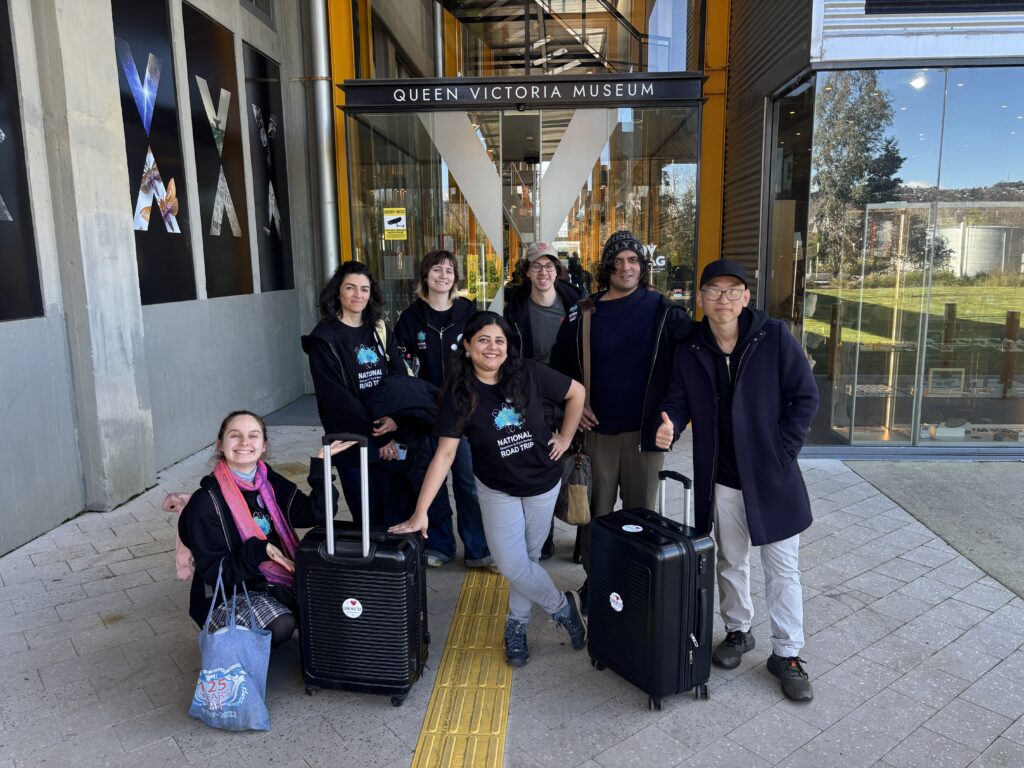
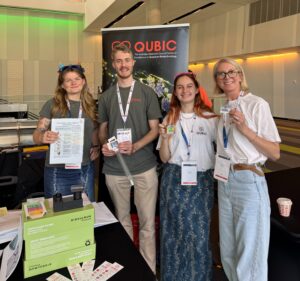
Prof Warwick Bowen presenting at ConASTA QUBIC team at ConASTA

Inclusivity, Diversity, Ethics & Access

The discoveries we’re chasing at the edge of quantum biotechnology are too complex, too ambitious, and too important to be solved from a single viewpoint. We rely on teams that think differently, question assumptions, and bring their own lived experiences into the lab.

Our mission to develop quantum technologies that can reshape health, energy and agriculture asks us to work across boundaries every day. Physics meets biology. Engineering meets medicine. Fundamental science meets real human need. That kind of science thrives when everyone in the room feels safe to contribute, when people from underrepresented backgrounds see a place for themselves here, and when early and mid-career researchers know that their identity is not a barrier but a strength.

As an ARC Centre of Excellence, we aim to demonstrate world‑leading science through a world‑leading culture. We want every student, researcher and collaborator who comes through QUBIC to feel that they belong, that their voice matters, and that they can build a long, rewarding future in STEM.

We know the broader quantum and STEM sectors still face uneven participation across gender, cultural background and socioeconomic status. And we know deeply interdisciplinary fields like quantum biotechnology need a wider range of perspectives to succeed. Our community reflects this commitment, with 50% of members speaking a language other than English at home and 58% of Chief Investigators being women.

That’s why we invest in programs that create genuine opportunity and community. Our Aspire Fellowship, Fostering Inclusive Science Support Scheme, and cross‑disciplinary mentoring initiatives are designed to open doors, build skills and ensure people have the support they need to thrive. Through partnerships like our sponsorship with the National Youth Science Forum, we help connect LGBTQIA+ students and other underrepresented young people with pathways into STEM that might otherwise feel out of reach. These are just some examples of QUBIC’s long‑term commitment to changing who sees themselves in science.

We’re proud of the culture our community is building, together. It’s a culture where our researchers challenge each other, support each other, and grow together. And it’s a culture that strengthens our science every day, shaping the technologies we develop and the impact they will have.

inSTEM: Creating Space Where Everyone Can Thrive

QUBIC was proud to co‑deliver 2025’s annual inSTEM Conference in Melbourne. inSTEM brings together members from ARC Centres of Excellence who are committed to building research environments where marginalised and underrepresented people can thrive, and where all researchers are supported to become more capable and active allies.

The program offered deep, practical insight into the lived experiences of diverse STEM researchers. The panel on exploring trans, gender‑diverse, and gender‑fluid experiences in the workplace, shared honest reflections on navigating academia through the lens of gender identity. These discussions provided valuable, actionable guidance for research leaders and colleagues committed to improving safety, respect and belonging.

“inSTEM was absolutely outstanding. Panellists, speakers and focus groups really brought home ‘diversity is a fact, inclusion is a choice,’ with methods, tips and strategies to make your research lab a welcoming place for all people.” – Emma De Costa, QUBIC PhD candidate, University of Wollongong

An extract from the 2025 QUBIC Annual Report. Read the full report here.

Seeing Dementia Unfold

Dementia: a growing challenge, with limited answers
image Lezanne Ooi
“Quantum sensors can detect neuronal signals and molecular-scale changes with extreme sensitivity, measuring subtle changes in neurons and identifying disease-specific molecular fingerprints.” — Chief Investigator Prof Lezanne Ooi

Dementia is one of Australia’s most pressing health challenges, and the second leading cause of death in Australia. Beyond the statistics lies a deeply personal toll on
individuals, families, carers and communities.

Work underway at QUBIC is opening a new window into dementia, using quantum sensing to observe brain cells in ways that were not previously possible.

Despite decades of dementia research, there is still no cure. Recently approved medications can slow symptoms for some people, but they are not suitable for everyone. Some require regular MRI scans to monitor serious side effects.

While these treatments may slow symptoms for some people, they do not stop or reverse the underlying disease, meaning brain cells continue to be irreversibly lost.

A major challenge in dementia research is understanding how the disease begins and progresses. Scientists typically compare healthy brain cells with diseased ones, looking for differences that might explain why neurons fail and die. However, this approach captures only snapshots of a disease that develops over years or decades, missing how a healthy neuron gradually becomes diseased as damage accumulates. Part of the challenge lies in the limits of existing microscope technology, which offers low-resolution photographs. What’s needed is a high-resolution movie, showing how cells change and interact over time.

Growing the human brain in a dish

QUBIC Chief Investigator and Deputy Director Professor Lezanne Ooi is working to overcome this barrier. A group leader at the University of Wollongong and Deputy Director of the Molecular Horizons Research Institute, Lezanne leads a research program grounded in cellular neuroscience – the study of how individual brain cells function, communicate and fail.

At the core of her work is a powerful platform technology. Using a small skin sample donated by a patient, Lezanne’s team reprograms those cells into stem cells, and then guides them to become human brain cells grown in a dish.

Crucially, these cells are alive, accessible and measurable, opening new possibilities for understanding disease mechanisms and testing potential therapies, without
needing to sample a patient’s brain tissue.

While dementia is a central focus, Lezanne’s work also spans Parkinson’s disease, motor neuron disease, epilepsy and other rare brain diseases, as well as emerging
questions around genetic and environmental risk factors for neurodegenerative diseases.

Where quantum sensing changes the picture

Advances in quantum sensing are opening new possibilities in biology and medicine, allowing researchers to probe living systems with unprecedented sensitivity.

Quantum sensors are exquisitely sensitive to tiny electrical and magnetic signals — the same signals neurons use to communicate. By integrating quantum sensing with Lezanne’s “brain-in-a-dish” platform, scientists can now follow single neurons, in real time, over extended periods. This makes it possible to see how  communication between neurons changes, how damage accumulates, and how disease processes unfold over time – something conventional microscopes cannot do.

By making these processes visible, researchers can begin to understand how neurodegeneration starts, which cellular pathways fail first, and why some neurons are more vulnerable than others. This knowledge opens the door to identifying new targets for treatment or testing potential drugs earlier and more accurately.

Dementia serves as a crucial and immediate focus, but the same quantum-enabled tools can extend to other neurodegenerative diseases and broader biological
processes, including cancer.

A future shaped by earlier, safer intervention

The long-term vision is transformative. By revealing what goes wrong inside neurons, and when, this work has the potential to accelerate drug discovery, and shift treatment toward earlier, more effective intervention. Over time, it could help move dementia care away from symptom management and toward protecting brain health before irreversible damage occurs.

Through QUBIC, quantum sensing is no longer an abstract promise. It is becoming a practical tool—one that allows scientists to watch the living human brain at work, cell by cell, and bring new clarity to one of society’s greatest medical challenges.


An extract from the 2025 QUBIC Annual Report. Read the full report here.

Aligning Molecular Qubits for Real-World Sensing

QUBIC recently brought researchers together from across the Centre for its Molecules Theme Workshop, focused on Molecular Qubits: Development and Applications.

The aim was straightforward: to better understand how molecular qubits could be developed into useful sensing technologies, particularly for challenges in the life sciences.

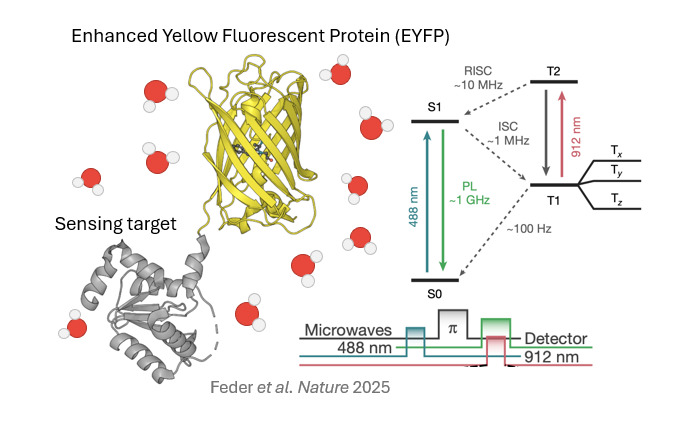
Protein molecular systems offer a unique opportunity in quantum sensing – they can be designed, tuned and collocated with their sensing target using establish protein engineering techniques. This opens up possibilities for detecting signals in complex environments, such as within biological systems or in targeted diagnostic settings.

But realising that potential is not straightforward. Decisions about how to engineer molecules with improved coherence properties, and what it is ultimately used for are tightly linked. Progress depends on working across these considerations together, rather than in isolation.

The workshop created space to do this by bringing together expertise in theory, experiment, and application. It helped connect areas of work that often run in parallel and refocus them around shared goals.

For QUBIC, this collaboration is critical, ensuring that development is guided not just by what is possible, but also by what is useful.

Making Quantum Biotechnology Relatable & Relevant

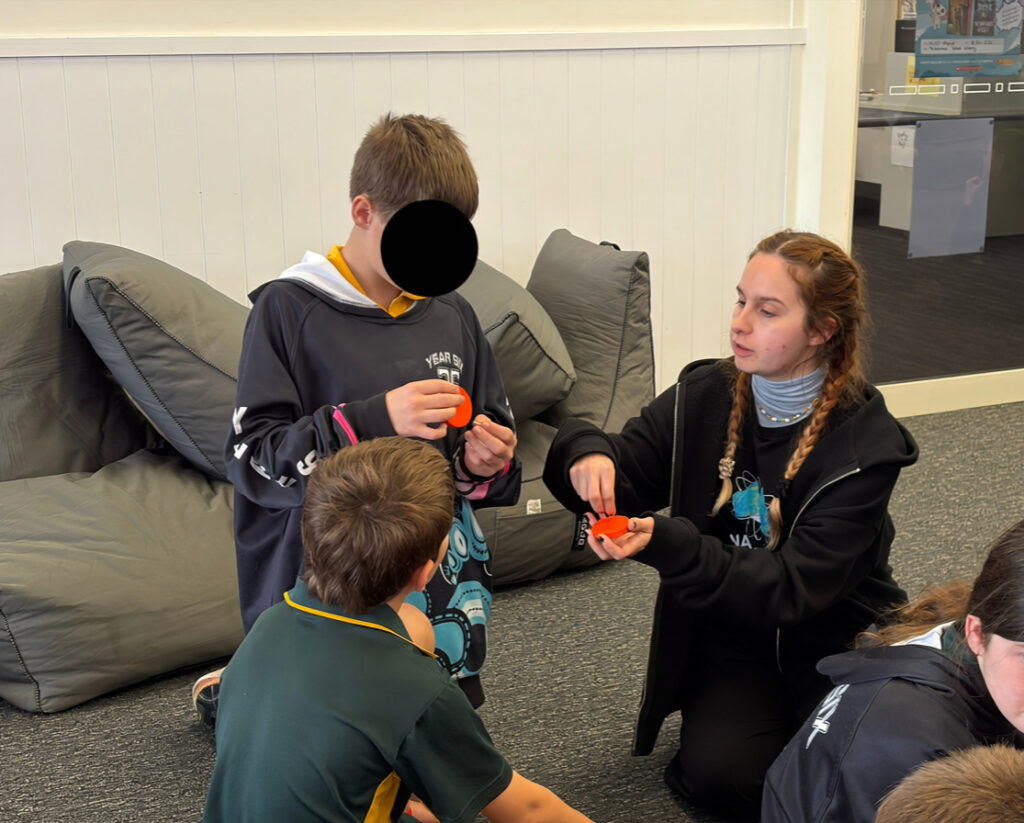
QUBIC’s outreach program is driven by a belief that curiosity is the foundation of future capability. Quantum biotechnology is an emerging area that most students, teachers and community members have never encountered before, and outreach gives us the chance to introduce it in ways that are engaging, welcoming and accessible. By sharing the ideas, tools and questions shaping the field through school visits, hands‑on demonstrations and public talks, we invite people to explore how quantum science and the life sciences come together, and why this matters for the challenges Australia will face in the decades ahead.
Bringing science to life through real connections

In 2025, the International Year of Quantum Science and Technology, QUBIC ran over 30 public engagement initiatives, reaching audiences across the country through talks, festivals, school programs and interactive demonstrations. These activities were designed to make quantum biotechnology tangible and relatable, showing how technologies like quantum sensing and advanced imaging can reveal the mechanics of life, and showcasing QUBIC’s interdisciplinarity in action – physicists, biologists and neuroscientists collaborating to solve shared challenges.

By meeting people where they are, and showing our people in action, we aim to build trust and understanding in a field that is technically sophisticated but deeply human in its applications.

Growing a future community of thinkers, makers and problem‑solvers

Outreach is also about how we cultivate the next generation of interdisciplinary talent. Each school visit, careers event and public talk helps young people picture themselves in fields that span physics, biology, engineering and computation. Many of the students we meet have never heard of quantum biotechnology, yet they leave with questions, excitement and new possibilities in mind. This work broadens participation, strengthens Australia’s STEM pipeline, and ensures that the future of quantum biotech is shaped by a diverse, curious and capable community.
In 2025, QUBIC researchers engaged with over 3000 students and public, with more than 20 public talks and school visits in regional and metropolitan areas a ross three states.

Inspiring the Next Generation of Quantum Thinkers

In 2025 QUBIC expanded our regional and metropolitan outreach through a major engagement at the Your Quantum Future Student Conference, hosted by the ACT
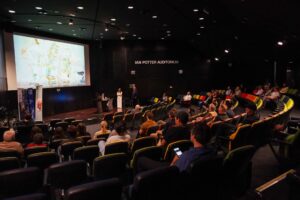
Education Directorate’s Academy of Future Skills. The program brought together over 100 Year 10-12 students from across 15 Canberra schools to learn how quantum technologies will shape future careers and industries, providing hands‑on exposure to emerging fields and access to national experts. The event offered a valuable opportunity to introduce quantum biotechnology to students and teachers, and to demonstrate how quantum science and the life sciences are converging to address major challenges.

Three QUBIC researchers delivered sessions that made quantum biotechnology both accessible and ambitious. Students and teachers explored how quantum
microscopy using squeezed light is advancing imaging, how nitrogen‑vacancy diamond sensors can detect early molecular changes in neurodegenerative diseases such as motor neuron disease, and how quantum sensing can be applied in areas like sport and health diagnostics.

Dr Pavlina Naydenova and Dr Dzung Do-Ha shared their own pathways into quantum biotechnology. They entered from neuroscience and biology, not quantum physics, which showed students that this is a domain open to multiple disciplines and backgrounds.

The conference also strengthened our connections across the national landscape. We engaged with ACT science educators, Questacon, Quantum Australia, and colleagues working to build quantum capability across schools and training programs. The keynote by Australia’s former Chief Scientist Dr Cathy Foley, who spoke about Australia’s leadership in quantum research and the importance of preparing young people for emerging technologies, reinforced the significance of this work. The engagement continues to generate new opportunities, from discussions about future school visits to explorations of deeper collaboration with ACT educators and national partners.

This outreach activity allowed QUBIC to extend its impact beyond its node locations, engaging regional audiences and demonstrating the breadth, relevance and accessibility of quantum biotechnology. It showcased the Centre’s commitment to sparking curiosity, supporting educators, and building long‑term capability in an emerging field that will increasingly shape Australia’s scientific and technological future.

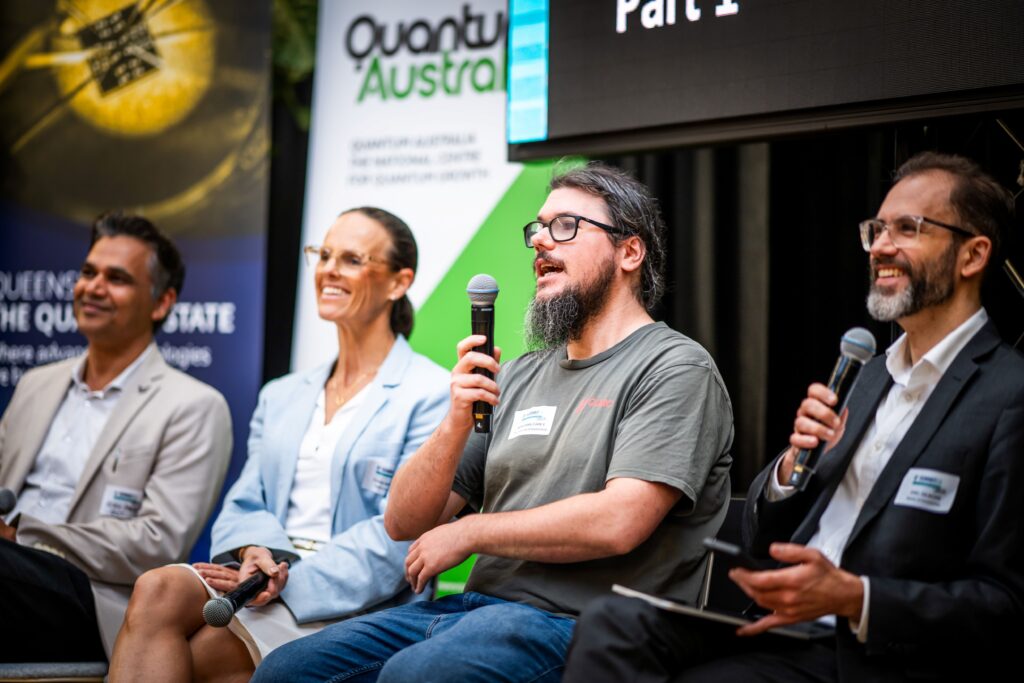
Our Quantum Future presenters were Dr Sergey Kruk (University of Technology Sydney), Dr Pavlina Naydenova (University of Queensland), and Dr Dzung Do-Ha (University of Wollongong).

An extract from the 2025 QUBIC Annual Report. Read the full report here.


Reading biology in many dimensions

How mixOmics, an open-source framework turns the complexity of multi-omics data into biological insight – from dairy farms to coral reefs to the clinic.

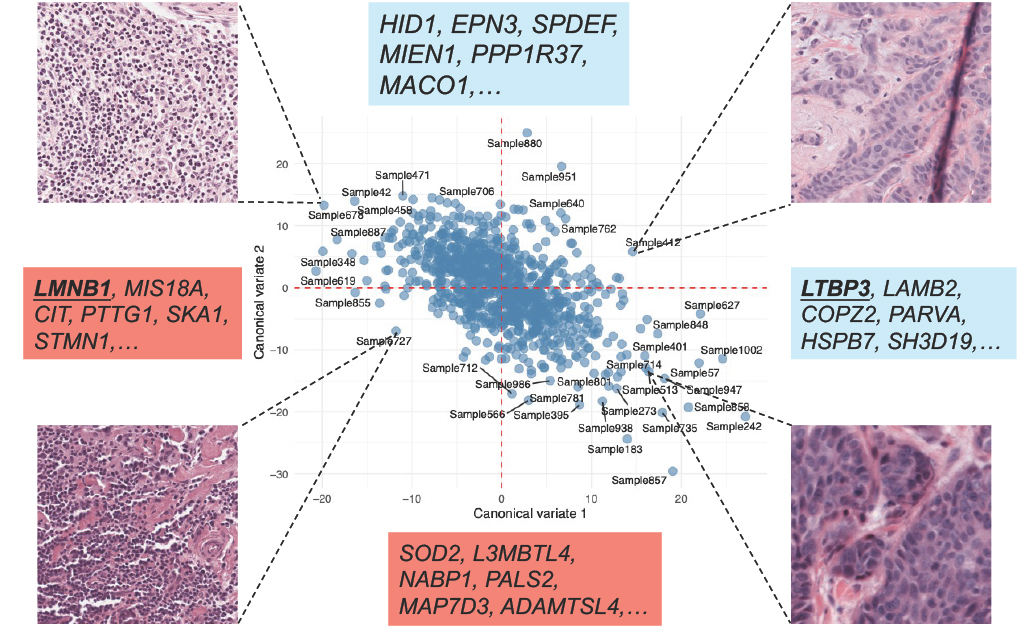
images from scientific paper
Integrating breast cancer tissue imaging and gene expression towards earlier disease diagnosis and individual treatments

A paradox sits at the heart of modern biology. A single tissue sample can now yield measurements on tens of thousands of genes, proteins, metabolites and microbes. And yet, the more we measure, the harder it becomes to draw meaning from the data. Conventional statistics were never designed for datasets where biological variables outnumber observations by orders of magnitude, and where the signal of interest sits inside vast and correlated noise. The bottleneck in modern life science is no longer measurement but interpretation.

Modern biological science is defined by data, but much of that data is too complex to analyse using conventional statistical tools.

Advances in genomics, proteomics, metabolomics, microbiome analysis and single-cell technologies allow researchers to measure tens of thousands of biological variables from a single sample.

While this has transformed what can be observed, it has also created a major analytical bottleneck.

Mapping global picoplankton biogeography

Traditional statistical methods struggle with these ‘high-dimension, low-sample-size’ datasets, where the number of variables (omics features) far exceeds the number of observations and where meaningful biological signals are embedded within large, highly correlated and noisy measurements.

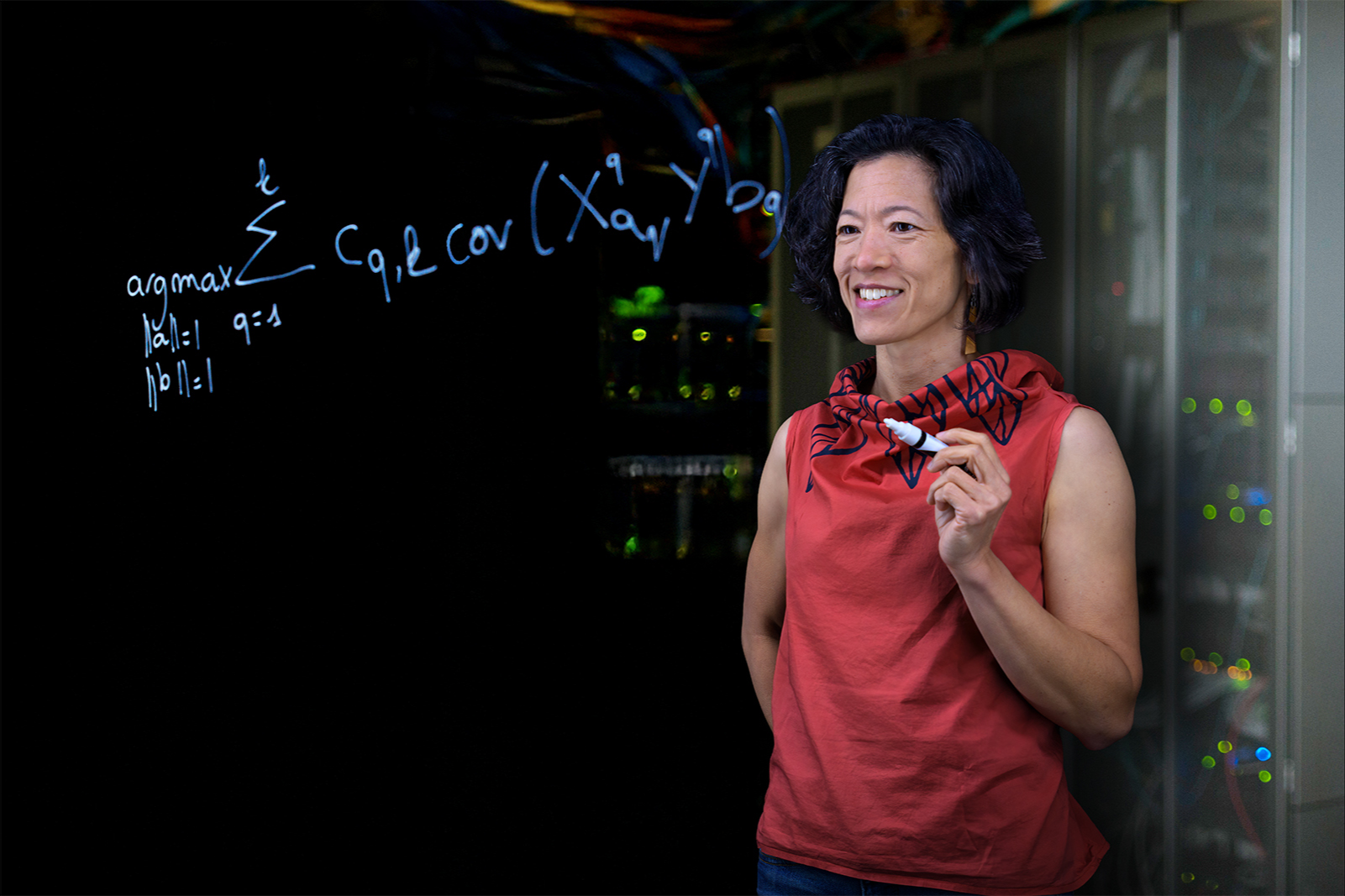
Prof Kim-Anh Lê Cao has spent more than a decade developing mixOmics to address this problem. The open-source suite brings together genes, proteins, metabolites, microbes and other ‘omics’ measurements within a single analytical framework, so that researchers can analyse them jointly rather than one layer at a time.

‘mixOmics methods give a holistic view of biological systems by integrating several layers of molecular information simultaneously, and identifying key molecular drivers in these complex systems,’ says Prof Lê Cao.

The impact of this capability is demonstrated through its application to real-world challenges across all life science.

  • In Australia’s dairy industry, mixOmics has been used to analyse complex milk metabolite profiles and to develop predictive models of cow fertility, underpinning more targeted breeding strategies, improved farm productivity and sustainability.
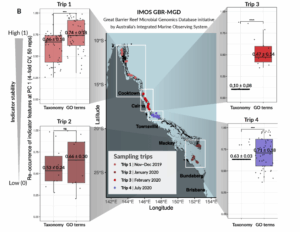
  • In environmental science, the Australian Institute of Marine Science applied mixOmics to integrate data from multiple Great Barrier Reef monitoring campaigns, enabling identification of microbial functional signatures that reliably predict water chemistry, providing a more sensitive framework for assessing reef health.
  • In human health, mixOmics supported integration of microbiome and metabolomic data to distinguish patients with chronic obstructive pulmonary disease, and to investigate disease susceptibility in a range of clinical contexts.
image of seawater analysis
mixOmics analysis accommodating seawater variation across different seasons

Across all these domains, the common outcome is not simply improved statistical performance, but the ability to turn previously intractable datasets into actionable biological insight.

MixOmics is currently being used by a large international research community of 50,000 users a year and its 13 methods developed by Prof Lê Cao and her team are widely cited and embedded in both academic and industrial research pipelines (9,000+ citations and 160+ patents using mixOmics).

Within QUBIC, mixOmics represents an enabling platform rather than a quantum technology in itself.

As quantum imaging and sensing systems begin to generate new forms of high-dimensional biological data, the analytical challenges they create will be similar in scale and complexity to those already addressed by mixOmics.

The established capability of the mixOmics platform positions QUBIC to interpret, integrate and translate quantum-derived biological information, supporting evidence-based decision-making and real-world impact as quantum-biotechnology matures.

The second generation of mixOmics, mixOmics PRO, has been registered as a company to further accelerate discoveries in omics life sciences.

QUBIC technologies are expected to generate complex data at the molecule, cell and tissue level with unprecedented time resolution. Methods such as those developed in mixOmics will extract insightful information from these different but complementary techniques from quantum sensors to sequencing experiments.

Feature image: Professor Kim-Anh Lê Cao. Credit: Mike Rennie Creative

Seeing and Controlling the Molecular Engines of Life

Imagine a future where medical treatments are more responsive, biological systems are easier to control, and disease can be detected earlier and more precisely. Reaching this future depends on understanding how life organises itself at the most fundamental, molecular level and how those processes might be guided or redesigned.

Many of the processes that sustain life occur at time and length scales far beyond what we can see. At the molecular scale, living systems organise themselves dynamically, forming temporary structures that control how cells function, adapt and respond to their environment. Understanding this hidden layer of organisation is essential for developing more effective therapies, diagnostics and biotechnologies.

Biomolecular condensates are emerging as a unifying framework for understanding and eventually shaping this molecular organisation.

Biomolecular condensates are dynamic, membrane‑less compartments that form when proteins and nucleic acids self‑assemble inside cells. Rather than being enclosed by physical boundaries, these structures arise through collective molecular interactions, allowing cells to concentrate and regulate biological activity with
remarkable flexibility.

Biomolecular condensates play a central role in organising life at the molecular level. They help regulate gene expression, coordinate biochemical reactions and
enable cells to respond rapidly to change. The same properties that make biomolecular condensates powerful biological tools also place them beyond the reach of many existing techniques.

Condensates are small, highly dynamic and governed by subtle molecular forces. Small changes in their composition or environment can significantly alter
their behaviour. In healthy systems, this adaptability is essential. In disease, however, condensates can become disrupted, contributing to conditions such as
neurodegeneration and cancer.

Understanding how condensates form and function, and how they might be controlled, requires new ways to measure molecular interactions with exceptional sensitivity.

Where quantum biotechnology enters the picture

Many of the key processes within biomolecular condensates occur at the nanoscale, where classical measurement tools struggle to capture weak and transient interactions. This is precisely the regime where quantum technologies offer new opportunities.

Ultra‑sensitive quantum sensors, advanced spectroscopic techniques and quantum‑informed simulations provide new ways to probe molecular organisation and dynamics. When combined with experimental platforms in molecular and cellular biology, these tools are allowing QUBIC researchers to characterise condensates with unprecedented precision.

QUBIC provides the environment where these capabilities come together, linking quantum science with biological experimentation and theory.

From insight to application

By learning how to control the formation and properties of biomolecular condensates, researchers could design programmable biomaterials with applications across
health and biotechnology, including:

  • Smarter drug delivery systems that respond dynamically to their environment
  • Synthetic bioreactors that organise complex reactions without rigid boundaries
  • New diagnostic platforms that exploit condensate sensitivity to molecular change

These possibilities show how quantum biotechnology extends beyond measurement, opening pathways to designing and engineering living matter itself.

A unique capability at the molecular frontier

Biomolecular condensates sit squarely within QUBIC’s mission to apply quantum technologies where biological complexity is greatest and new tools are most needed. By uniting researchers across institutions and research themes, the centre connects fundamental molecular insight directly to biological relevance.

This work positions QUBIC to drive future advances in healthcare, diagnostics and biotechnology by revealing how life organises itself at the molecular scale and turning that understanding into capability.

A centre‑wide effort across themes

In 2025, researchers from three QUBIC nodes (University of Wollongong, The University of Queensland, and University of Technology Sydney) published a major review in Advanced Materials: Biomolecular Condensates as Emerging Biomaterials: Functional Mechanisms and Advances in Computational and Experimental Approaches. Spanning the Molecules, Cells and Brain themes, the review integrates expertise in molecular physics, chemistry, biology and computation to examine biomolecular condensates from multiple perspectives. It brings together advances in experimental techniques and computational modelling to reveal the physical principles that govern condensate behaviour, and to explore how these systems could be developed as a new class of functional biomaterials.

This is precisely the kind of problem QUBIC exists to solve, because progress depends on integrating physics, chemistry, biology and computation in ways
that individual disciplines, projects or institutions cannot achieve alone.

Read more about QUBIC’s Molecules theme

An extract from the 2025 QUBIC Annual Report. Read the full report here.

QUBIC director brings the future to 300 Brisbane students

Centre Director Professor Warwick Bowen took to the stage at the annual Churchie Physics Lecture to explore how quantum technologies are poised to transform medicine — and why that future is closer than most people think.

On 12 May, around 300 high school students from across Brisbane gathered at Anglican Church Grammar School (Churchie) for the school’s annual Physics Lecture. This year’s keynote was delivered by QUBIC’s Director, Professor Warwick Bowen, whose talk — How quantum is set to change medicine — traced the journey from the fundamental strangeness of quantum mechanics to its growing role in medical imaging, drug discovery, and brain science.

Warwick opened by grounding students in Quantum 1.0: the first revolution in quantum understanding that already underpins technologies many take for granted — from MRI and PET scans to magnetoencephalography. He then turned to Quantum 2.0, the era we’re now entering, in which scientists are actively engineering quantum phenomena to do things classical technology simply cannot.

“These students are going to inherit a world shaped by quantum technology — and most of them don’t know it yet. If even a few of them walk away wanting to understand the physics behind an MRI machine, or curious about what a quantum computer could mean for drug development, then the evening did exactly what it should.”

— Professor Warwick Bowen, Director, QUBIC

The lecture drew on QUBIC’s three grand challenges: imaging and modelling individual protein molecules in real time, understanding how cell-scale behaviour emerges from molecular interactions, and achieving whole-brain electromagnetic imaging at single-neuron resolution. Warwick illustrated each with concrete examples — from the exponential complexity that makes molecules so hard to simulate, to quantum diamond microscopes and the prospect of next-generation brain scanners affordable enough to reach regional hospitals.

The evening was a strong success. Warwick noted enthusiastic engagement throughout, with students asking questions that reflected genuine curiosity about both the science and its real-world stakes. Elizabeth Jenkins, Head of Physics at Churchie, echoed that sentiment in a note to the Centre afterwards, describing the evening as something students “value enormously” and extending an open invitation for QUBIC to return.

Outreach events like this one are central to QUBIC’s mission — bringing the science of quantum biotechnology out of the lab and into the broader community, and helping the next generation of students see themselves as part of that story.

Photonic molecular fingerprinting for fairer sports

Quantum assays for anti-doping control

The challenge

Erythropoietin (EPO) is a natural hormone that stimulates red-blood-cell production. Synthetic EPO closely mimics the natural form, making it hard to detect quickly and at low concentrations when misused for illegal doping. Current, lab-bound methods are slow and complex, creating a need for faster, more sensitive, field-ready tests.

The solution

A quantum photonic lab-on-a-chip that traps and analyses single EPO molecules, measuring mass, electrical charge and a vibrational fingerprint to tell natural from synthetic EPO. Combining these readouts aims to improve speed and sensitivity, potentially suitable for real-world, trackside testing.

The research

A QUBIC research team at the University of Queensland is developing and validating an integrated chip that optically traps proteins to provide label-free molecular fingerprinting of EPO at very low concentrations. “We start with known samples, set calibration, confirm specificity and detection limits, build and trial a prototype chip for anti-doping workflows,” says researcher Dr Igor Marinkovic.

Impact

“Direct molecular fingerprinting could redefine how EPO doping is detected,” says Dr Pavlina Naydenova. “Quantum photonic chips promise faster, more sensitive and selective testing, giving sporting bodies and clinicians a powerful new tool to safeguard athlete health and ensure competition integrity.”

Research team
  • Dr Igor Marinkovic
  • Dr Pavlina Naydenova
  • Dr Nicolas Mauranyapin
  • Prof Warwick Bowen
  • Kyle Clunies-Ross

Funded by the Queensland Government’s Quantum 2032 Challenge